Roofing Options
Roofing Materials: Asphalt Shingles, Metal, Tile and Slate
How common residential roofing materials compare in weight, lifespan expectations and climate suitability.
Asphalt shingles
Asphalt shingles are the most common roofing material in North America. Three-tab shingles are flat and lightweight, while architectural or dimensional shingles are thicker and add visual depth. Wind and impact ratings vary by product line.
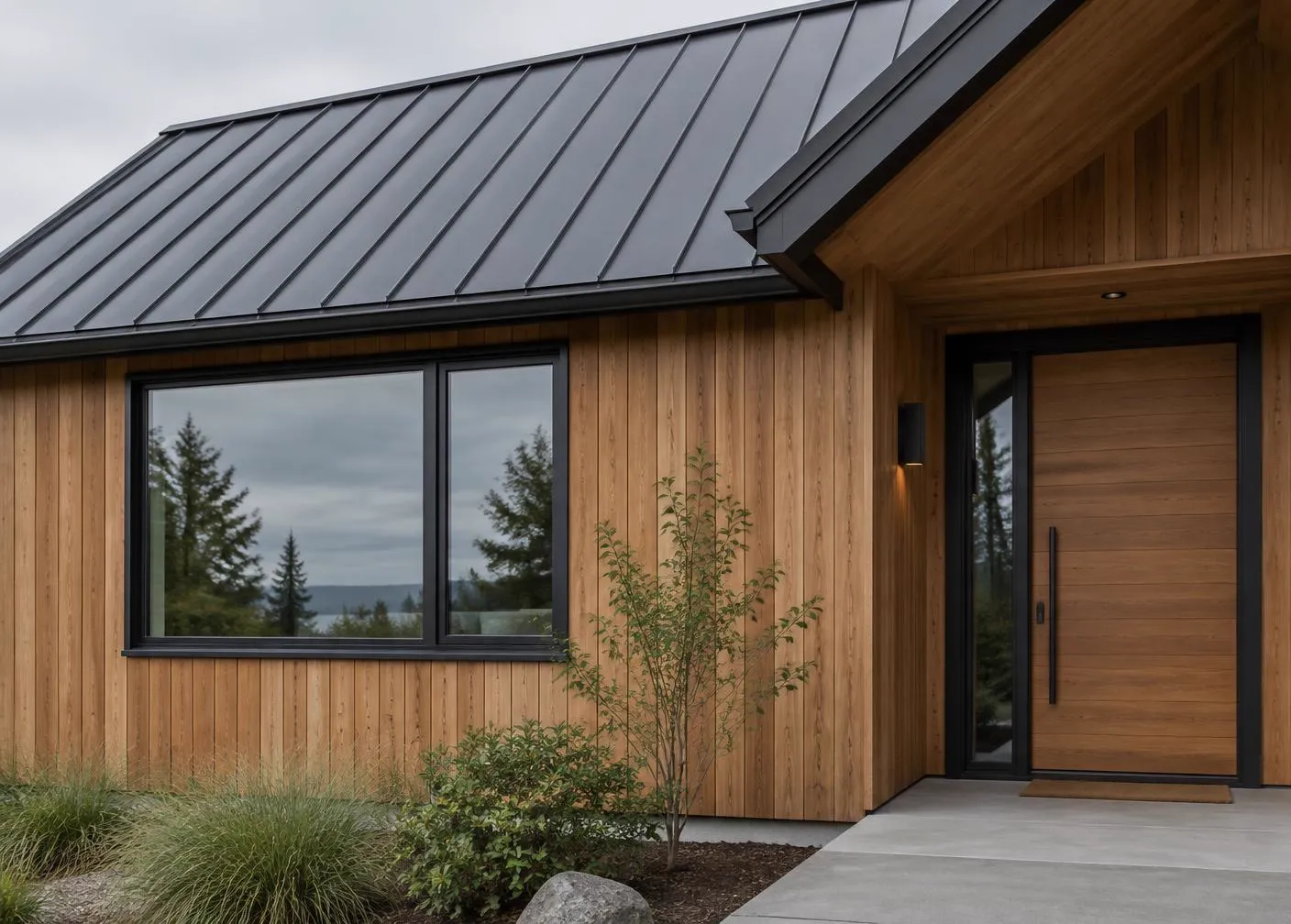
Standing seam and metal shingles
Metal roofing uses steel, aluminum, or copper panels joined by raised seams or shaped into shingle profiles. Metal sheds snow well and reflects heat when finished in lighter colors. Fastener type and panel gauge affect long-term performance.
Clay and concrete tile
Tile roofs are heavy and long lasting, and they perform well in hot climates. Because of their weight, structures are often evaluated before a tile roof is installed.
Natural slate and synthetic alternatives
Slate is a dense natural stone with a very long service life. Synthetic slate made from polymers or rubber imitates the look at a lower weight. Both require installers familiar with the specific material.
Side by side comparison
| Material | Durability | Care | Best for |
|---|---|---|---|
| Asphalt shingle | Moderate | Inspect after storms | Most climates, budgets |
| Metal | High | Check fasteners and seams | Snow, heat reflectivity |
| Clay or concrete tile | High, heavy | Replace cracked tiles | Hot, dry regions |
| Slate | Very high, heavy | Specialist repairs | Long term ownership |
Material checklist
- Learn your region's wind and hail considerations.
- Understand the role of underlayment and ventilation.
- Ask whether the roof structure suits heavier materials.
- Review manufacturer warranty terms and requirements.