Countertop Comparisons
Countertop Options: Quartz, Granite, Marble, Solid Surface and Wood
A practical look at how countertop materials handle heat, stains, scratches and daily kitchen use.
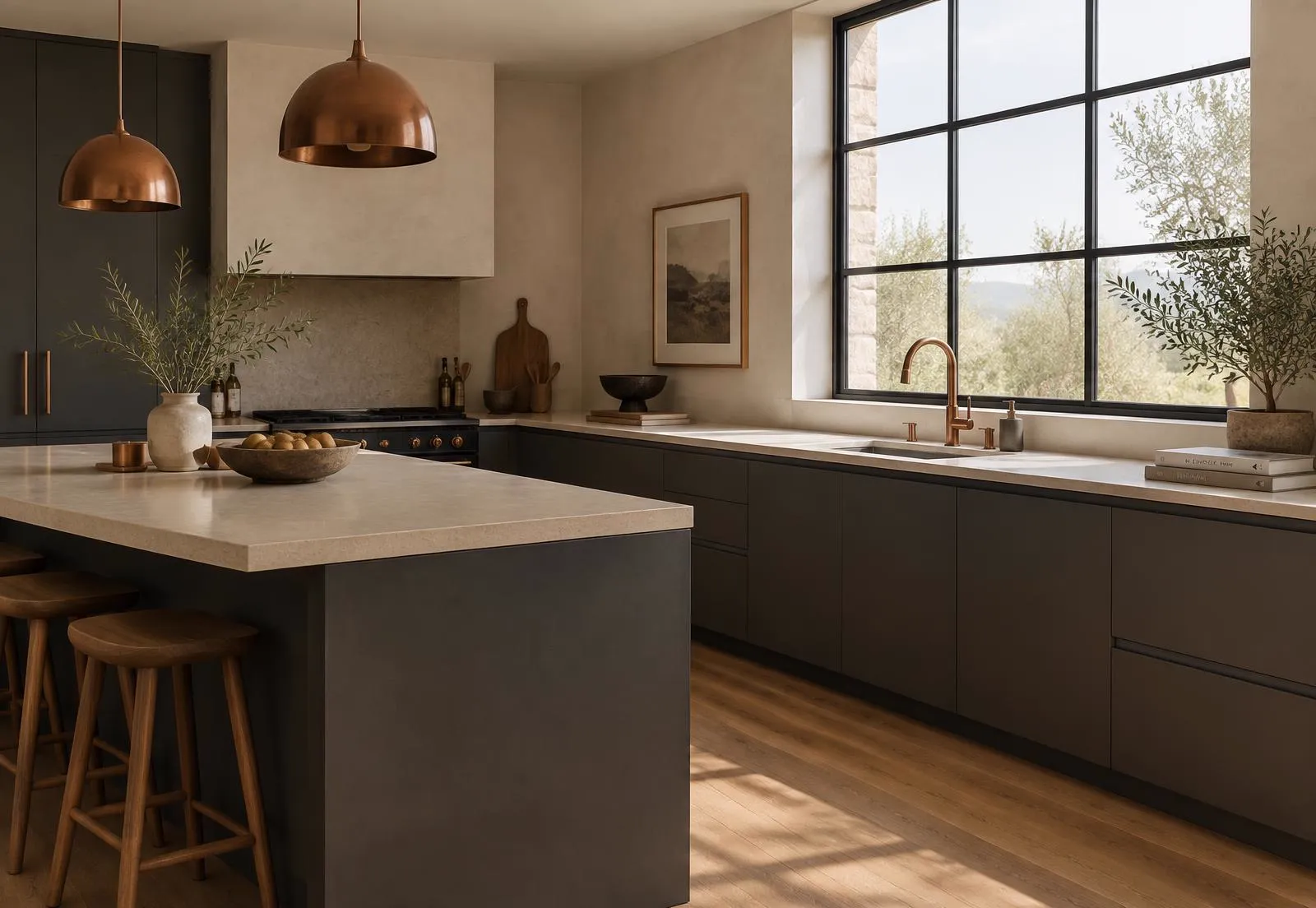
Engineered quartz
Quartz countertops combine ground natural quartz with resins and pigments. The result is non-porous and does not require sealing, but the resin can discolor under direct heat, so trivets are recommended for hot pans.
Granite and other natural stone
Granite is an igneous stone that is hard and heat tolerant. Because it is naturally porous to varying degrees, many slabs benefit from periodic sealing. Every slab is unique, so viewing the actual slab is often worthwhile.
Marble and soft stones
Marble is prized for its veining but is softer and reacts with acids such as lemon juice and vinegar, which can leave dull marks known as etching. A honed finish tends to disguise etching better than a polished one.
Solid surface, laminate and butcher block
Solid surface materials allow seamless sinks and can be sanded to remove light scratches. Laminate is budget friendly but cannot be repaired easily. Wood butcher block offers warmth and needs regular oiling to resist moisture.
Side by side comparison
| Material | Durability | Care | Best for |
|---|---|---|---|
| Quartz | High, heat sensitive | Mild soap, use trivets | Busy kitchens |
| Granite | Very high | Reseal as needed | Cooks who want heat tolerance |
| Marble | Medium, etches | Wipe acids quickly, seal | Baking stations, baths |
| Solid surface | Medium, repairable | Non-abrasive cleaners | Integrated sinks |
| Butcher block | Medium | Oil monthly | Islands, prep zones |
Material checklist
- Test a sample with oil, coffee and lemon before deciding.
- Ask how seams will be placed on long runs.
- Compare edge profiles, since some chip more easily.
- Learn the sealing schedule for any natural stone.